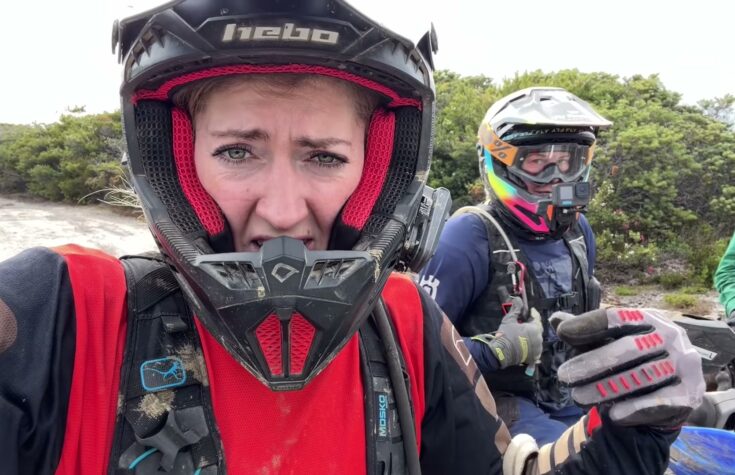
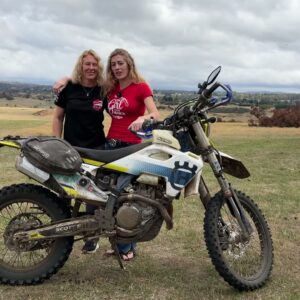
One minute we’re enjoying incredible beach riding on Tasmania’s west coast. The next, I’m watching a wave hit Damo at a crossing and shouting into my helmet. This was one of those days that had a bit of everything: relentless rocks, brilliant riding, plenty of encouragement over the intercom and an ocean that made the final decision for us.
Welcome to Part 8 of my Tasmanian adventure with Ultimate Cape Escape. We start at Four Mile Beach, ride Climies Track and finish with a rather different route back from the one we expected.
Watch the full Tasmania episode
Beach riding with a huge sense of space
The beach sections are something else. Firm sand, the sound of the Southern Ocean and that feeling of being a long way from everything. There are moments in this episode where all I can really manage is a wow through the helmet.
The terrain changes as we go, and following the right tracks matters. If the sandy sections make you want to improve your own riding, I filmed a separate guide to riding a motorcycle in sand during this trip. Watch the demonstrations there alongside the adventure footage here.
Lunch, Skyla and riding when I’m not feeling brilliant
By lunch I’m feeling pretty rough with a tummy bug, after a difficult night’s sleep with Skyla. In an ideal world I’d have been under a duvet for 24 hours. Little ones don’t really offer that option, but seeing her at the lunch stop fills me with energy.
Kerry has had quite a morning too. We can laugh about the tumbles, but there’s a lot of effort going into this riding. It’s a good reminder of what sits behind an adventure video: tired bodies, family life and supporting each other, as well as the spectacular views.
Climies Track: rocks that keep you thinking
Climies is rocky, bumpy and pretty relentless. In the video I try to describe the ridges as a dinosaur lying under the ground, which probably tells you why watching the footage is the better option. It just keeps coming.
For me, this section is about picking lines, reading the terrain and enjoying the challenge. The Husqvarna 501 handles the technical riding well, but there are still plenty of places where we pause, help one another and think through the next move.
You can hear me encouraging Kerry through individual obstacles: looking ahead, keeping things gentle and rolling through. Those are conversations about the particular bit of trail in front of us. Watch the terrain and the riders together to understand the context.
On-the-go encouragement through the intercom
Being able to talk while we ride makes such a difference here. I can offer a pointer at the moment Kerry needs it, check she’s all right after a rocky moment and celebrate when she gets through. At the end of the day, seeing her development is one of my favourite parts.
I’m using Cardo intercoms in this episode. If you’re considering one, my affiliate link is https://cardosystems.rfrl.co/5gxzq and my code is TGOAB. Check the current offer and eligible products at checkout; the discount varies. My Cardo page has more information.
Affiliate disclosure: if you buy through my Cardo affiliate link, I may earn a commission at no extra cost to you. Thank you for supporting my videos.
The crossing where the waves won
At a beach crossing, a wave catches Damo and everything changes very quickly. Bikes are close to the water, the sand is deep and I’m watching the next waves come in. You can hear the concern in my voice as we wait.
By the time we leave, I explain on camera that two bikes have been washed down and emptied. They’re on the far side of the crossing and carry on that way. The rest of us turn back, put our warm layers on and take the road round.
At the hotel I still haven’t heard from Damo or found out whether he’s made it back yet. It’s been a wild end to the beach riding, and there’s a lot to take in after such a long day.
A long day, and a lot to be proud of
We reach the hotel at 6.30 pm with 25 minutes until dinner. I’m tired, still feeling ill and ready to get out of the dirty kit, but I’m also hugely proud of Kerry. Watching someone keep working at difficult riding, and being able to help along the way, is pretty special.
100,000 YouTube Subscribers: Thank You for Joining the Ride
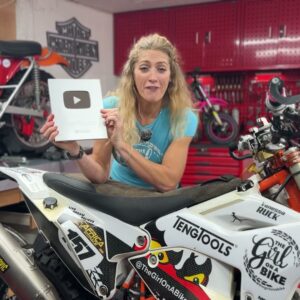
100,000 of us riding along. I still can’t quite believe I’m saying that, but the official YouTube trophy is here and I have a massive thank you for you. Every ride you’ve watched, every comment you’ve left and every video you’ve shared has helped us get here.
Watch my thank-you message
This is our milestone
Whether you’ve only just found The Girl On A Bike or you’ve been here since the early videos, thank you for being part of it. Looking back at some of those older uploads, I can definitely see how much I’ve learnt along the way. If you’ve stuck with me through those as well, you deserve an extra thank you.
It’s an incredible feeling to know that so many of you are coming along for the rides. The comments, the sharing and the energy you bring to the channel all matter. This would have been impossible without you.
I’d love to know how long you’ve been part of this journey. Head over to the YouTube video and tell me in the comments. Keep sharing the videos with friends who might enjoy them, too.
What’s next?
I’m tempted to say a million, but let’s start with 200,000. For now, thank you for being here, putting up with this face and voice, and helping build this community. See you on the road.
Big love, Vanessa — the girl behind The Girl On A Bike.
Tasmania Enduro Outtakes: The Falls, the Laughs and the Kerry Show
Tasmania gave us just about every type of terrain you could put a motorcycle on. And, as this video proves, we didn’t stay upright through all of it.
After an incredible trip with Ultimate Cape Escape, I put together some of the falls, awkward moments and laughter we caught on camera. Meet Kerry, also known on this adventure as the girl off the bike.
A trip with plenty of challenges
We were riding Husqvarna 501s through an extraordinary mix of terrain. Rocky climbs, forest single track, mud, sand and beaches all gave us something different to deal with. Sometimes it flowed beautifully. Sometimes it really didn’t.
This is the less polished side of an off-road adventure: the moments when a line doesn’t go to plan, a front wheel washes out or a muddy hole turns out to be much deeper than expected. The compilation includes more than one rider getting caught out.
Introducing the Kerry Show
Kerry lives in Tasmania and was a huge part of the fun on this trip. You might also recognise her from my Africa Eco Race series, where she came to support me.
We had such a giggle riding together, and she was very generous about me capturing some of the moments she probably wouldn’t have chosen for a highlights reel. Her willingness to laugh about it is a big part of what makes this video.
Why you can hear us laughing
We were connected through our Cardo intercoms, so we could talk while riding. I could offer a bit of encouragement or a pointer, and Kerry could tell me she was okay after a fall.
That communication is the context behind some of the filming. You’ll hear us checking in with each other, offering help and laughing together. It’s our shared experience of the trip, with the banter very much part of it.
If you’re interested in the intercoms we use, you can visit Cardo through my affiliate link and try code TGOAB. Discounts vary by product and offer, so check the saving shown at checkout. I may earn a commission when you shop through my link, at no extra cost to you.
From forest tracks to sand and sea
The video moves through awkward climbs, slippery sections, water, mud and beach riding. There’s even a wave that catches a rider and bike out spectacularly. Tasmania certainly didn’t let us get complacent.
What I take away from the trip is the combination of challenge, friendship and some unforgettable riding. The outtakes tell one part of that story; the wider adventure had so much more to offer.
This trip was with Ultimate Cape Escape. If you’re considering riding with them, speak to the team about the terrain, trip format and experience level needed for your chosen tour.
Why Tasmania Belongs on Your Motorcycle Bucket List
I went to Tasmania expecting a brilliant motorcycle trip. I came away calling it my favourite place I’d ever ridden. That’s a big statement, but the variety of riding packed into this island completely blew me away.
In this video, I share what made the trip with Ultimate Cape Escape so special: forest tracks, technical climbs, sand dunes, beaches, quiet roads and the feeling of being properly out in the wilderness.
An extraordinary variety of riding
Our route covered roughly 1,800 km around the island, and trying to list every type of terrain we encountered became a challenge of its own. Gravel roads, muddy tracks, rocky climbs, granite slabs, forest trails, dunes and beautiful tarmac all made an appearance.
It’s the variety that really stands out. You can go from mountains and forest towards the coast in a single day, without the riding ever feeling repetitive. Tasmania may look compact on a map, but it certainly doesn’t feel small when you’re out in the bush.
Quiet roads and room to explore
Even the road sections were memorable. We rode through gum trees and rainforest, past rocks and coastline, with far less traffic than I’m used to at home. On the Husqvarna 501, linking the trails together was part of the enjoyment rather than something to get out of the way.
Away from the roads, there were stretches where the group felt completely immersed in the landscape. That sense of space was a huge part of why I loved the trip.
Sand dunes and beach riding
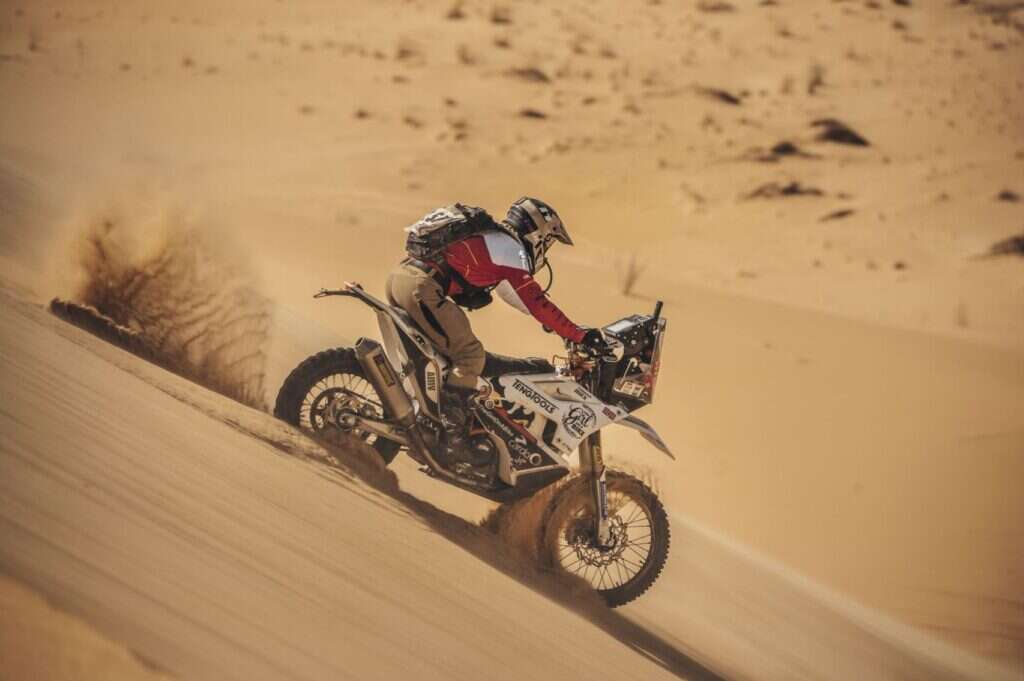
The beach riding was a highlight. Soft sand, dunes and hill climbs brought back the desert-rally itch. If sand is something you find tricky, I filmed a separate guide to riding a motorcycle in sand during this trip.
Access varies by location, so use the designated riding areas and check the current local requirements rather than assuming every beach or trail is open. Tasmania Parks and Wildlife’s off-road vehicle guidance is a useful starting point for checking access, permits and local advice.
Be ready for changing weather
We went from bright sunshine to rain, and I soon appreciated having layers, warmth and waterproofs with me. In the video, you’ll see me wrapped up as the weather changes on the west coast.
I enjoyed riding here in March. That’s the timing of my experience, rather than a promise of the same conditions for every trip. Talk through the season and expected weather with your operator when planning your own adventure.
Forest, wildlife and food beyond the trails
There’s plenty to take in when you stop the engine too. Forest, coastal views and wildlife all become part of the journey. I was ridiculously excited at the prospect of seeing wallabies and kangaroos, although the riders who live here were quick to remind me that you don’t want one jumping out in front of your bike.
And the food deserves a mention. Fresh local produce, seafood and a curried scallop pie all added to the experience. I also talk about Tasmania’s whisky, although during the riding day I was very happy with a hot chocolate.
My experience with Ultimate Cape Escape
I rode with Ultimate Cape Escape, with local knowledge making a huge difference to the routes and the experience. On my trip, the setup included Husqvarna 501s, luggage support, accommodation, food and plenty of snacks. Check the operator’s current itinerary and inclusions for the trip you’re considering.
The riding we did was intermediate to advanced, with technical sections and long days. It asked for fitness as well as riding ability. Be honest about the riding you’re comfortable with when discussing a tour: the right challenge makes the experience much more enjoyable.
Getting to Tasmania
In the video I discuss flying via mainland Australia and the option of bringing a vehicle by ferry. For current travel planning, Spirit of Tasmania sails between Geelong in Victoria and Devonport in Tasmania. Check the official terminal information and sailing schedule before booking; timetables and arrangements can change.
Staying connected on your trip
I used Holafly while travelling in Australia and Tasmania. If you’re considering an eSIM, my Holafly code TheGirlOnABike gives 5% off. Check the plan’s compatibility, coverage and terms for your route, especially in remote areas. You can read more about my Holafly experience here.
Holafly is a partner of mine, and I may receive a commission when you use my code, at no additional cost to you.
Motorcycle Garage Organisation: My Practical Workshop Tips
How much time do you lose looking for the tool you were using five minutes ago? I’ve spent years maintaining, modifying and preparing my own motorcycles, and a bit of organisation makes those jobs much smoother.
In this video, filmed in my own garage, I share the habits and storage ideas that help me find things, look after my tools and get on with the job. Whether you have a shed, a small garage or a bigger workshop, the aim is to make your space work for you.
Give every tool a home
A box full of tools might technically count as storage, but it doesn’t make finding a particular spanner easy. When every tool has a set place, you start remembering exactly where it lives. That saves a surprising amount of hunting around.
I use Teng Tools storage and organised tool sets in my garage. If you already own your tools, you can still create a layout around what you have. The useful bit is knowing where each item belongs.
Use foam or trays to spot what’s missing
Foam inserts give you a visible reminder when a tool hasn’t been put back. An empty space makes it much harder to overlook something at the end of a job.
In the video, I talk about ready-made tool layouts and cutting your own Shadow Foam to suit an existing collection. You don’t need to replace everything to start giving your tools proper homes.
Put frequently used tools within easy reach
Think about where you stand and what you reach for most often. I keep my most-used tools at a convenient height rather than making myself bend down to the bottom drawer every time.
A mobile toolbox can come with you to the bike, while wall storage stays put. Arrange the space around the way you actually work and the room you have available.
Group tools by the job
Alphabetical order doesn’t help me because I don’t work alphabetically. Grouping by tool type or task makes much more sense in my workshop.
That might mean keeping the tools you use on a particular bike together, or separating metric and imperial sizes. The right arrangement is the one that makes your next job easier.
Buy once, cry once
My approach is to buy the best-quality tools I can afford. I’d rather build up a useful collection than repeatedly replace tools that let me down or damage fasteners.
Giving tools a wipe keeps dirt out of the drawers and means they’re ready for the next job. It’s also a chance to notice damage or realise something is missing before you need it again.
My garage gets used. It isn’t a museum, and it doesn’t need to look like a showroom to be a good working space. Organisation should help you use your tools, rather than make you afraid of getting anything dirty.
Try labels and a currently-using tray
I have a very visual memory for where my tools live, so I don’t personally label every drawer. Labels can be really helpful if that suits you, particularly when several people share a workspace.
I also like a tray for the parts and tools I’m using on the current job. It keeps small things together and can move with me around the bike. In the video, I show a magnetic tray with parts from a brake job.
Keep track of bolts with cardboard
Remembering where tools live is one thing. Remembering where every bolt came from is another. One of my favourite tricks is making holes in a piece of cardboard to mirror the part I’m removing, then putting each bolt into its corresponding place.
Notes, labelled bags and a whiteboard can help too. Give yourself a clear record while you’re taking something apart, so you’re not left guessing when it’s time to put it back together.
Make your workshop easier to use
I finish the video by mentioning an accessible, up-to-date first aid kit and a suitable fire extinguisher. Knowing where essential equipment lives is part of organising the space too.
What’s your best garage-organisation trick? Leave it in the YouTube comments so we can learn from each other. If the guide helps, sharing it with a friend helps support the channel too.
If you love motorcycles, there’s a good chance we’ll have something in common. Enduro, hard enduro, rallies, track days, road riding, touring and adventures: I seem to find myself in all kinds of situations on two wheels, and I bring my cameras along so you can come too.
I’m Vanessa Ruck, The Girl On A Bike. This video is a little introduction to who I am, how I ended up here and what you can expect from my YouTube channel.
How motorcycles became part of my life
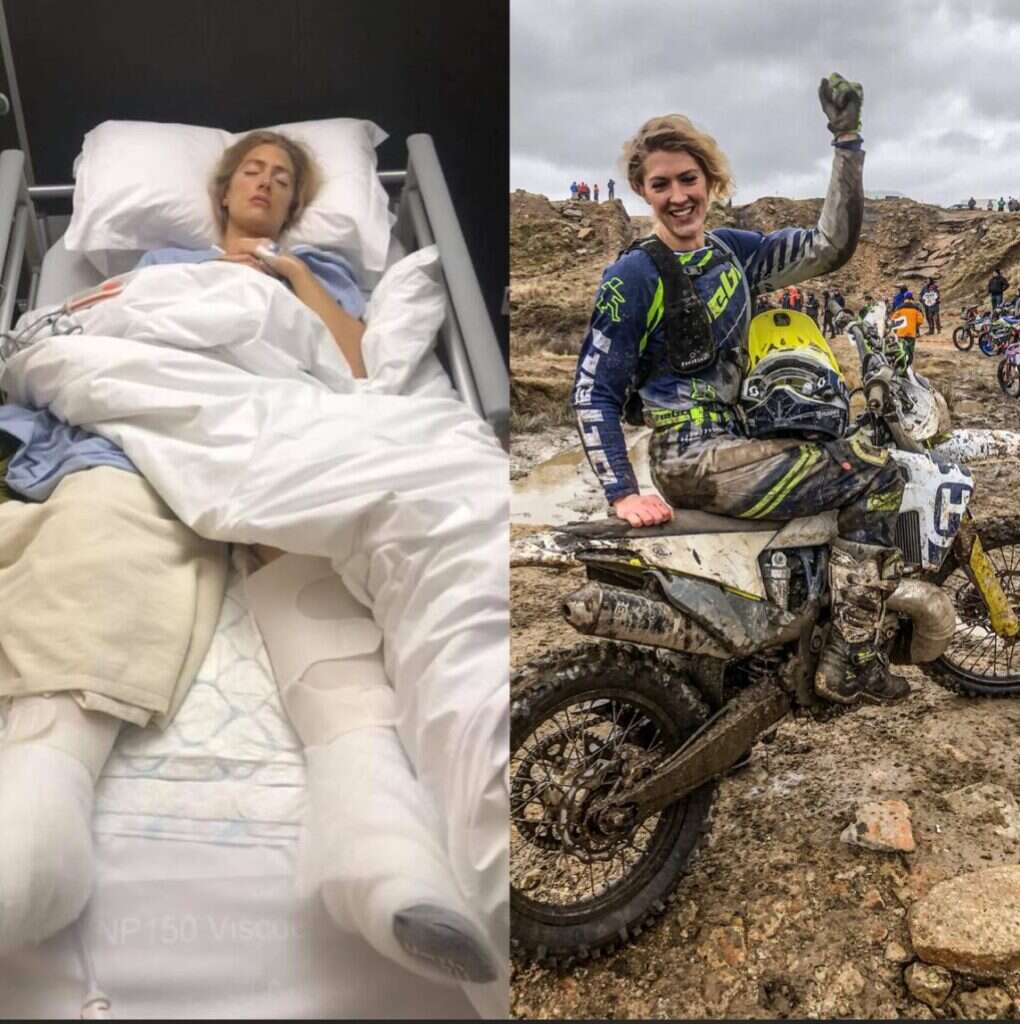
I wasn’t a motorcycle rider when I was hit by a car while cycling home from work in 2014. My recovery took seven years and seven surgeries, including reconstruction of my right hip and shoulder. I had to relearn how to walk, and I now live with and manage chronic pain. You can read more about the accident and my recovery here.
The physical recovery was brutal, but the mental side was even harder. During that time, motorcycles came into my life. I fell in love with the adventure, the energy and the feeling of being out there living. Then, as I say in the video, it escalated.
Today, I’m a motorcycle rider, racer, adventurer, content creator, presenter, TEDx and award-winning motivational speaker, and a mum. Adapting, setting goals and making the most of the day in front of me run through everything I share.
Honest motorcycle and gear reviews
My channel includes reviews of bikes, riding kit and places I visit. Honesty matters to me: I want you to understand my actual experience of using something. Start with the bike reviews if you’re looking for riding impressions.
Riding skills and practical workshop knowledge
I share the things I’ve learnt through riding, travelling and working on my own motorcycles. That might be a body-position tip, a useful tool or something that makes a job in the garage easier. My sand-riding guide and Motorbike DIY section are good places to explore.
Adventure, enduro and rally racing
I take my cameras with me to share both the experience and the possibilities. Sometimes that means tough off-road riding or racing; sometimes it’s a road trip that gives you another destination for your bucket list. There’s even some rally car driving in the mix. Have a browse through my events and racing experiences.
Motherhood and keeping the adventure going
Becoming Skyla’s mum has added another part to life, alongside the riding, work and ambition. I share some of that juggle too. My motorcycle adventures haven’t stopped, and I’m enjoying finding out what else is possible as life changes.
Subscribing, sharing a video with a friend or joining the conversation all help support what I do. You can also become a channel member if you’d like to support the videos that way. For more of my background, visit my About page.
Wailin’ Wayne Rally: Why Motorcycling Needs the Next Generation
If we want the next generation to be excited about motorcycles, we need to give them something to get excited about. Watching the kids race at Wailin’ Wayne Weekend in Ohio, I couldn’t stop cheering. They were tackling mud, tyres and obstacles, with a crowd behind them willing them on. This is exactly the sort of energy I think motorcycling needs.
I travelled to the rally as a guest speaker and brought Skyla along with her little Strider balance bike. I came away wanting more of the motorcycle world to embrace families, toddlers, children and teenagers. Because the future of biking starts long before someone walks into a showroom to buy their first motorcycle.
Watch my Wailin’ Wayne rally video
Why getting children involved matters
In the video, I talk about my concern that motorcycling needs more younger people coming through. I don’t pretend to have every answer about why some young people aren’t getting into bikes. But I do think we can do more to make them feel included.
If we want someone to love motorcycling in their twenties or thirties, we can help that excitement start much earlier. That might be cheering on a favourite rider, being fascinated by a particular bike, or discovering how much fun two wheels can be. It needs to feel welcoming and enjoyable.
At Wailin’ Wayne, children were part of the action. The crowd was cheering them around the course and celebrating their efforts. Watching a young girl tackle the obstacles, including a properly muddy bog, made the point far better than any speech could.
What made Wailin’ Wayne Weekend stand out
The rally brought together a wonderfully broad mix of riders. I saw Harleys, adventure bikes, dirt bikes, road bikes and even a trials bike. There were routes to download and follow, maps to help people plan their riding, manufacturer demos, evening speakers and entertainment.
During my visit, the event was based at Hocking College in Ohio. Camping was a big part of the weekend, with other accommodation options in the surrounding area. What stayed with me most, though, was the atmosphere: adults enjoying their riding while children had opportunities to get involved too.
The kids’ activities gave families something to share. For a parent who loves motorcycles, that matters. It helps turn an event into something you can enjoy together, rather than having to choose between your own passion and bringing your child along.
Bringing Skyla and her balance bike
Becoming a mum hasn’t made my love of motorcycling disappear. I want Skyla to enjoy her own adventures, and I’m excited about the possibility of sharing more riding with her as she grows.
That’s why her balance bike came to America with us. Her enjoyment and confidence on two wheels matter to me. At this stage, it’s about fun, exploring and being part of what’s happening around her.
If you’re looking at balance bikes for a little one, you can browse through my Strider affiliate link. I may earn a commission if you buy through it, which helps support my content.
Could electric bikes help welcome younger riders?
Electric motorcycles can divide opinion, especially among those of us who love a combustion engine. But in the video I explain why I see an opportunity for younger riders: less noise, less engine heat and a riding experience that can feel less intimidating.
I mention Skyla beginning to explore the throttle on her little RFN electric bike. That’s part of our own experience, rather than a suggested starting age for every child. The bigger point is that there are different ways for children to discover the enjoyment of riding.
More families, more women, more future riders
Seeing young girls out on the course was brilliant. This is about giving more people the chance to find something they love, and making sure they feel they belong in the motorcycle community.
Thank you to Chad and the Wailin’ Wayne team for creating an event that made me feel so positive about that possibility. I filmed this because, standing beside that track, I felt we needed to talk about it.
Sand can make even a confident motorcycle rider feel like they’ve forgotten how to ride. The front wheel moves around, your arms get tired and, before you know it, you’re digging a hole instead of going anywhere. But a few changes to your technique can make a huge difference.
I filmed this guide on the beaches and dunes of Tasmania during a trip with Ultimate Cape Escape. After sharing a few pointers with riders in our group and seeing the difference it made, I got the camera out to share them with you too.
Watch: how to ride a motorcycle in sand
These are the techniques that have worked for me through hundreds of kilometres of sand, desert races and riding a Triumph Tiger 900 Rally Pro at 1000 Dunas. I’m a relatively light rider, so body position makes a massive difference to my ability to control the bike. Different riders, bikes and types of sand need different approaches; watch the demonstrations alongside the written tips.
1. Avoid constantly slipping the clutch
My big lesson from desert racing is to stop relying on feathering the clutch once you’re moving in sand. I’ve burnt a clutch out and ended up stranded in the desert, so this is something I feel strongly about.
In the video, I demonstrate pulling away in second gear, engaging the clutch and getting moving rather than continually slipping it. Listen to your engine and change gear as needed: wheelspin means engine speed and ground speed can feel very different in sand.
2. Keep the front wheel light with your body position
The front wheel naturally wants to dig in and gets pushed around by the sand. Once I’m moving, I bring my weight back to help keep the front light, with my elbows up and my eyes looking ahead.
Support yourself through your legs and feet rather than hanging all your weight through your hands. I demonstrate how I use the footpegs and my body to give me more control, which matters particularly when the bike is much heavier than I am. Body position needs to keep changing with the terrain; pulling away from a hole is different from riding along.
3. Use your feet and body to turn
Turning in sand involves more than moving the handlebars. In the video, I show how dropping my heel and turning my hips into the direction I want to go helps the bike lean and turn.
Look through the corner and let your feet, hips and body work together. Sand can let you bank the bike into a turn in a way that feels very different from riding over rocks or mud.
4. Read the sand and choose your line
Existing tracks can pull your front wheel around. I often choose fresh sand because it gives me a more consistent surface, without the ridges and compacted patches left by other vehicles.
That doesn’t mean fresh sand is always the answer. Sometimes a firmer, established track is useful. The point is to read what’s in front of you and choose deliberately, rather than automatically following someone else’s wheel marks.
5. Keep your momentum
Crawling through soft sand can make balancing and staying on top of it harder. With momentum and drive, the bike starts to feel as though it’s floating across the surface. I compare it to snowboarding through fresh powder.
I also explain why suddenly shutting the throttle can make the front dig in, including on descents. This is about controlled momentum appropriate to the terrain and your ability, rather than a target speed.
6. Stop digging when you’re stuck
If the rear wheel is buried, more throttle can simply dig a deeper hole. To pull away, I demonstrate moving my weight forwards to unload the rear wheel and helping the bike move out.
When that isn’t enough, I show how laying the bike onto its side allows sand to fill the hole beneath the rear wheel. Picking it back up then brings the wheel closer to the surface. Sometimes it takes more than one attempt, but it can save a lot of wasted effort compared with spinning the wheel deeper.
You’ll also see how I park the bike in soft sand, where a side stand will sink. Watch the video for the full demonstrations: the changes in body position are much easier to understand when you can see them.
Build your riding foundations
Sand riding builds on your basic bike skills. For more exercises covering body position, balance, braking and picking up your bike, see my easy tips to improve your motorcycle riding. You can also read about the Tunisia Desert Challenge and the lessons that come from racing in the desert.
Have you ridden in sand, or is it something you’re hoping to try? Head over to the video on YouTube and tell me in the comments which tip helped you most. Subscribe for more riding tips and adventures from me, Vanessa, The Girl On A Bike.
TWO MUMS. TWO TODDLERS. TWO BIKES. 25 DAYS ACROSS TURKEY.
How far can two mums, two toddlers and two adventure bikes get across Turkey in 25 days?
In October 2026, I’m swapping horsepower for pedal power and setting off on one of my most ambitious adventures yet.
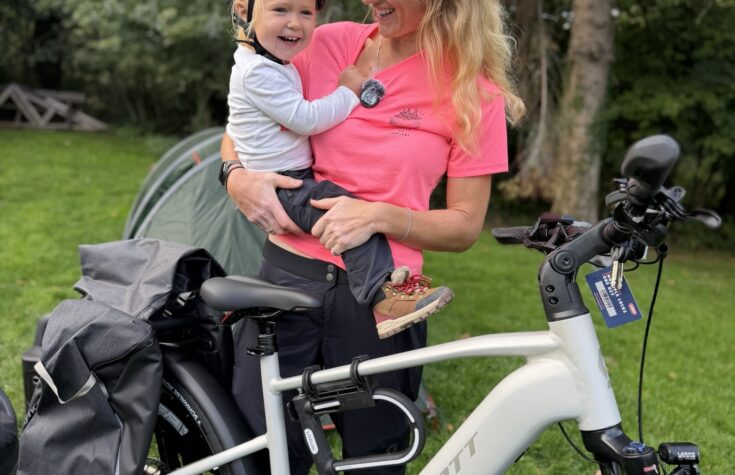
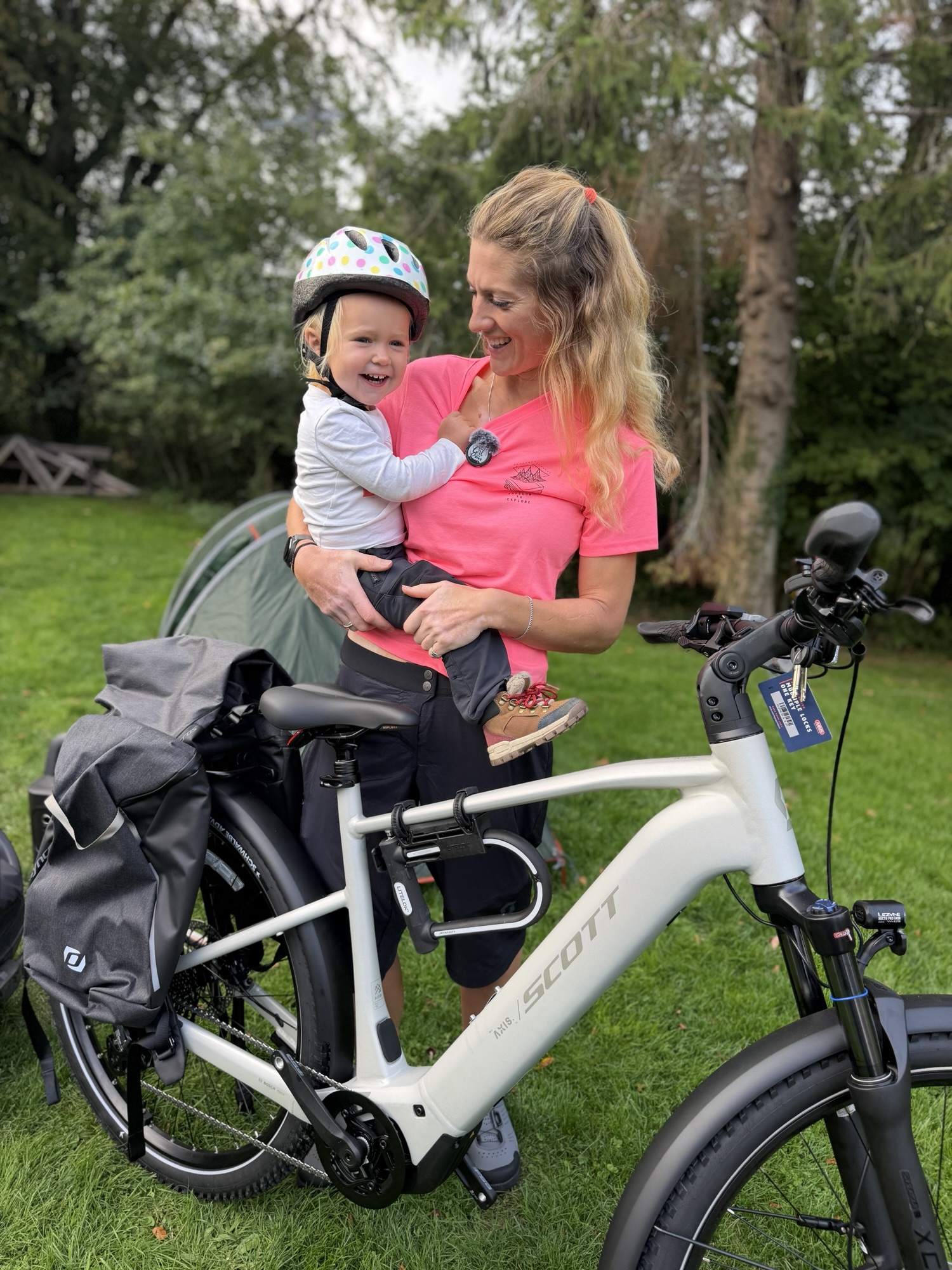
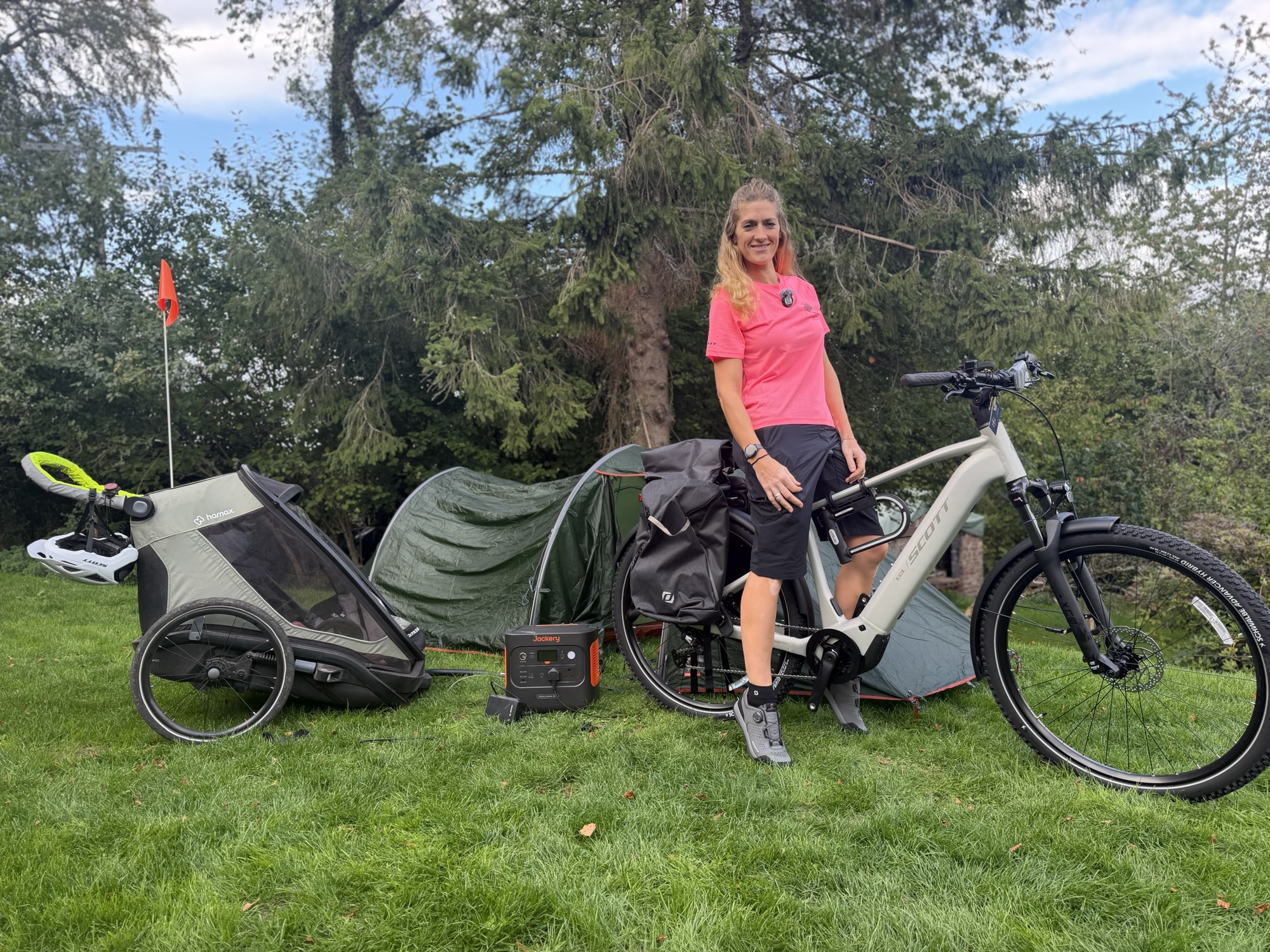
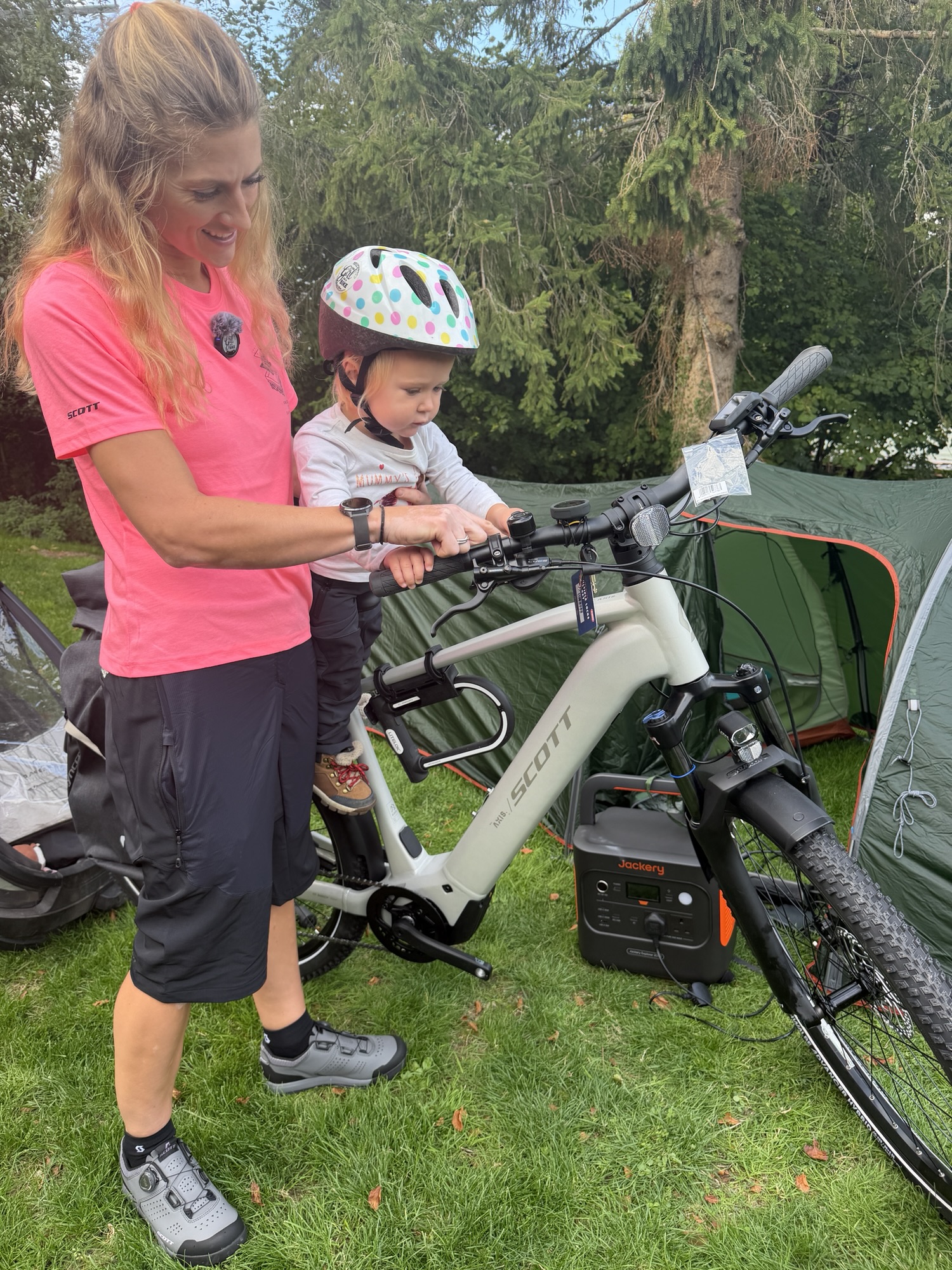
Together with my friend Tori, our toddlers Skyla and Leo, and two heavily loaded SCOTT Axis e-bikes, we’re attempting to cycle more than 1,000 kilometres across Turkey with over 21,000 metres of climbing – roughly 2.4 times the height of Mount Everest from sea level.
Oh, and we’re bringing the toddlers.
Because apparently cycling across Turkey wasn’t quite complicated enough.
Our route will take us across approximately 80% tarmac and 20% gravel, through mountains, towns, tiny villages and some of Turkey’s incredible landscapes. There’s no race clock, no podium and, deliberately, no absolute guarantee of how far we’ll get.
That’s actually the whole point.
How far can two mums, two toddlers and two bikes get across Turkey in 25 days?
We’re about to find out.
Chasing dreams, raising hope
This is our adventure together, and we’re raising money for Leukaemia UK in memory of Tori’s mum, Wendy. While we make memories with Skyla and Leo, we hope to help more families have the chance to do the same.
Tori’s reasons for riding are deeply personal. In her own words:
In 2000, my Mum, Wendy, died of Leukaemia. I was just 10 years old and my little brother 9.
26 years on and now I’m a Mum myself, and I’m almost at the age my Mum was when she passed away (39). Without a doubt loosing her so young shaped mine and my brothers life in ways we could never have imagined. Mum, was a go getter in life, she took every opportunity that came her way and I know she’d be our biggest support in this crazy adventure.
Over the last 25 years I’ve raised money for Leukaemia UK on several occasions, the first time at just 12 years old. But, its never felt more important than now to raise money for Leukaemia UK again, through this huge adventure with my little boy.
My reasons are incredibly personal. I watched my mum fight Leukaemia for so long, and then lose her battle. And, as a nurse with a long background in Intensive Care, and most recently in Haematology, I’ve treated patients with Leukaemia and other Blood Cancers. This isn’t just a part of my everyday work life, it’s a cause that’s very close to my heart.
To some this trip might seem a little crazy, but I am my mothers daughter and loosing her gave me all the more reason to chase my dreams and push beyond what I think is possible. To find a new version of my old self after becoming a mum. To raise adventurous children who think big and live with joy. And to honour my mum, so Leo grows up knowing her story and why we ride.
Every donation, however small, helps support Leukaemia UK’s research into kinder, more effective treatments.
When we started talking about a big cycling adventure, Land’s End to John O’Groats was the obvious option. It’s an iconic challenge, it’s a huge distance and doing it with toddlers would certainly be hard enough.
But it’s also been done. A lot.
There are books about it, GPX files, established routes, blogs telling you where to stop, accommodation recommendations and endless accounts from people who’ve already ridden it. We’d know roughly what was coming, where we’d sleep and how to solve most of the problems before we’d even left home.
That’s a challenge. We wanted an adventure.
Turkey gives us the unknown.
There isn’t a proven toddler-towing cycle route waiting for us to download. There isn’t a guidebook telling us which roads will work with trailers, where we’ll be able to sleep each night or whether what looks perfectly rideable on a map will actually be sensible when we arrive.
Accommodation isn’t booked along the route because we don’t know exactly where we’ll get to each day. Weather, mountains, road surfaces, toddlers, mechanicals, battery range and sheer exhaustion can all change the plan.
So rather than simply following somebody else’s route, we’re going to need Plan A, Plan B and probably Plans C, D and WTF-do-we-do-now.
That’s what excites me.
The path isn’t completely known. The outcome isn’t guaranteed. We’ll have to make decisions on the ground, adapt and see where the adventure takes us.
WHY ARE WE DOING THIS?
Becoming a mum has changed my life in just about every way imaginable, but one thing I’ve been determined not to lose is my sense of adventure.
Before Skyla arrived, motorcycles had taken me around the world. I’ve competed at Red Bull Romaniacs and raced the Africa Eco Race, following the historic original Dakar route through Africa to Senegal. I’ve travelled to 49 countries, ridden motorcycles in 35, raced through deserts, slept under the stars and repeatedly pushed my body far beyond where I thought its limits were.
Then, in December 2024, I became a mum.
Suddenly an adventure involves nappies, snacks, nap times, breastfeeding, toys and approximately 74,000 things that apparently need to leave the house with one very small human.
But becoming a parent hasn’t made me want to show Skyla less of the world. It’s made me want to show her more of it.
Turkey is an experiment in what adventure can look like after motherhood. It won’t be fast, it definitely won’t be glamorous and I’m under absolutely no illusion that everything will go to plan.
There’ll be tired legs, toddler meltdowns, wrong turns, camping chaos, mechanical problems, questionable weather and probably moments when Tori and I wonder what the hell we were thinking. But there’ll also be mountains, tiny villages, new people, incredible landscapes, toddler giggles, wild places and memories I hope we’ll carry forever.
Adventure doesn’t stop when you become a family. It simply changes shape.
MEET THE TEAM
Vanessa & Skyla
I’m Vanessa Ruck – aka The Girl On A Bike – an adventure motorcyclist, racer, speaker, content creator and, most importantly these days, Mumma to Skyla.
My journey into adventure came after a road traffic accident in 2014 changed my life. Seven surgeries, years of rehabilitation and living with chronic pain followed. Motorcycles became a huge part of rebuilding both my body and my mind, eventually taking me from simply trying to walk without pain to racing some of the toughest events in the world.
Now I’m swapping the throttle for pedals and seeing just how much of that adventurous life I can share with my daughter.
Skyla will be 22 months old during the expedition and has been around bikes almost since she was born. She’ll alternate between her trailer and a front-mounted seat, giving her everything from a comfy place for a nap to a front-row seat for the adventure.
And yes, she’s still breastfeeding – so apparently Mumma Taxi also provides its own onboard refuelling service.
Tori & Leo
Alongside us are my brilliant friend Tori and her little boy Leo.
Tori is a nurse, ex-military and former Army skier, so thankfully she’s not exactly someone who shies away from a challenge. We have a very similar approach to motherhood: becoming mums hasn’t removed our appetite for doing slightly ridiculous things, we’ve simply learnt to bring the little humans along with us.
She’s practical, resilient, loves a challenge and is exactly the sort of person you want beside you when Plan A has disappeared somewhere over the horizon and you’re already halfway through Plan C.
Leo and Skyla are going to make sure neither of us gets too comfortable.
Depending on who’s talking, he’s Gary, my adopted “Dad”, or PappaDuck to his god-granddaughter Skyla.
We originally met through Tour1 Harley-Davidson trips, where a shared sense of humour and relentless banter turned into a friendship. Since then we’ve ridden motorcycles together in more than 15 countries, and he’s become part of our family.
For Turkey, Gary is taking on a very different role: driving our support motorhome across the country.
Turkey is simply too unknown for us to sensibly attempt this completely alone with two toddlers. The motorhome gives us a safety net without removing the adventure. It’ll be our kitchen and cooking base, shower, charging station, occasional wild-camping home and emergency support if something genuinely goes wrong.
We’ll still be carrying our own day-to-day kit on the bikes and trailers and riding the route ourselves. Gary isn’t there to shuttle us past the difficult bits; he’s there because responsible adventure with two tiny humans sometimes means having a bloody good Plan B.
WHY E-BIKES?
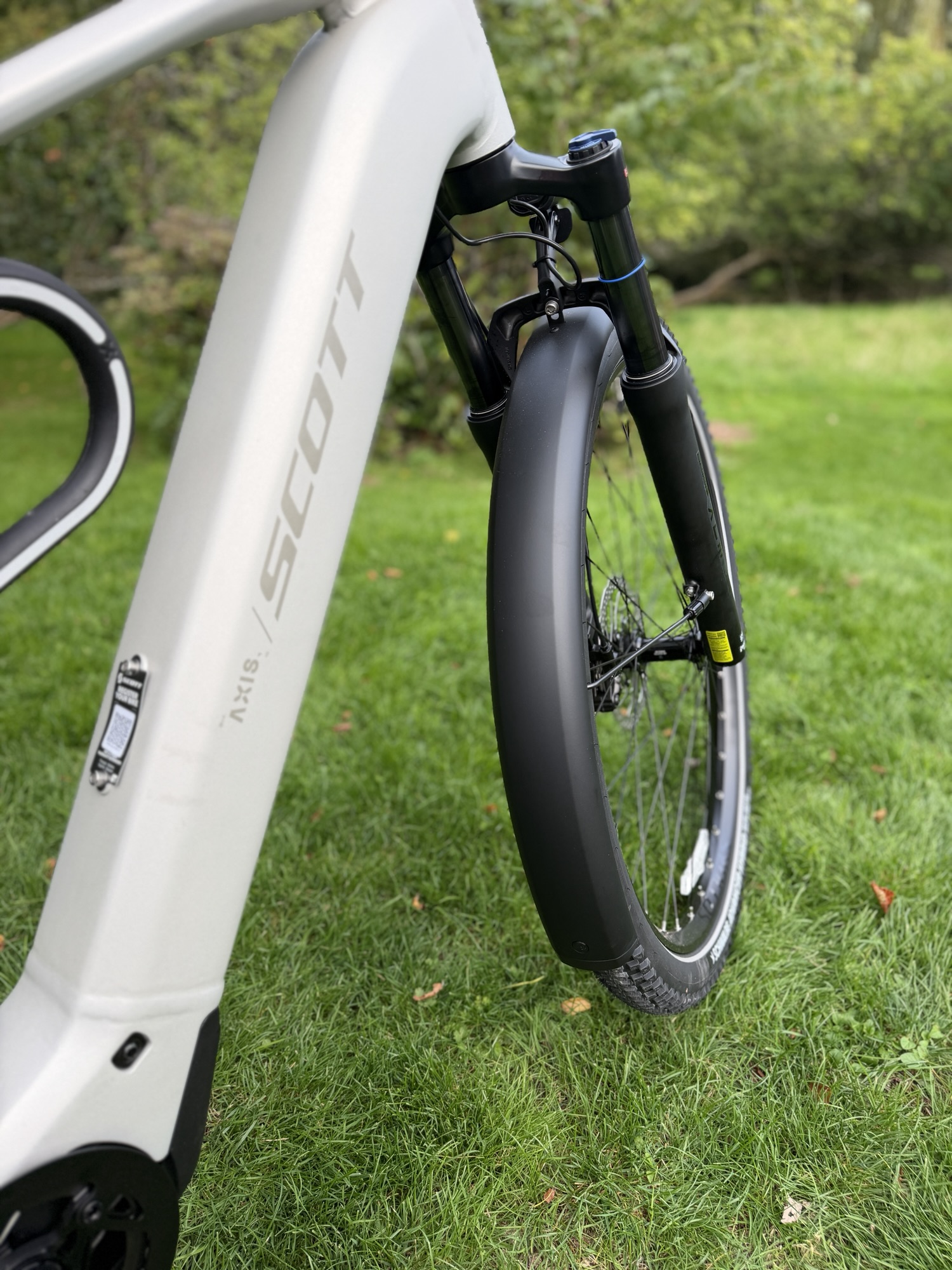
Our wheels for the expedition are two SCOTT Axis e-bikes, both running Bosch eBike systems with 800Wh batteries.
For me, choosing an e-bike isn’t about making the challenge easy. Following my accident and seven surgeries, I live with chronic pain and have a reconstructed hip. Pedal assistance makes an expedition of this scale physically possible while still requiring me to ride every kilometre.
It also gives both of us something incredibly valuable in Turkey: contingency.
We don’t completely know what the roads will throw at us. We don’t know how slowly we’ll climb while towing toddlers, how much extra energy a difficult surface will consume or whether a day we thought would be manageable will turn into something completely different.
The e-bikes give us another tool for managing that unknown – while our legs still have to keep turning.
TODDLER BUSINESS CLASS – HAMAX
Possibly the most important equipment of the entire expedition.
Our Hamax Outback trailers will be carrying the most precious cargo we have: Skyla and Leo.
Think of them as toddler business class. While Tori and I are sweating our way up another mountain, there’s a very real possibility they’ll be behind us eating snacks, reading books, watching Turkey roll past and having an afternoon nap.
The trailers give them suspension, weather protection and their own comfortable little space during longer stretches of riding. We’ve already been putting them through their paces and, ultimately, the most important review isn’t mine:
The kids bloody love them.
FRONT-ROW SEATS – KIDS RIDE SHOTGUN
When they aren’t relaxing in their trailers, the toddlers can come up front using their Kids Ride Shotgun seats.
It completely changes their experience. Instead of watching the adventure from behind the bike, they’re between our arms, seeing the road ahead and experiencing the ride with us.
We’ll swap between Shotgun seats and trailers depending on terrain, weather, tiredness and, realistically, which toddler is currently cooperating.
LITTLE BIKES, BIG ADVENTURES – STRIDER
Because apparently taking four bikes to Turkey wasn’t enough, the toddlers’ STRIDER balance bikes are coming too.
Skyla first started exploring her STRIDER when she was tiny, and watching her progress from simply sitting on it to confidently riding and tearing around pump tracks has been incredible.
The STRIDERs mean that when Mumma Taxi finally clocks off and we stop riding for the day, the kids can have their own adventures too. They’ll have familiar bikes to explore campsites, towns and wherever else we end up calling home that evening.
Adventure shouldn’t just be something they’re carried through. I want them to be part of it.
NAVIGATION – BEELINE
Getting lost can be part of an adventure.
Getting lost somewhere in Turkey with two toddlers, two loaded bikes and absolutely no idea where you’re sleeping that night is perhaps slightly less entertaining.
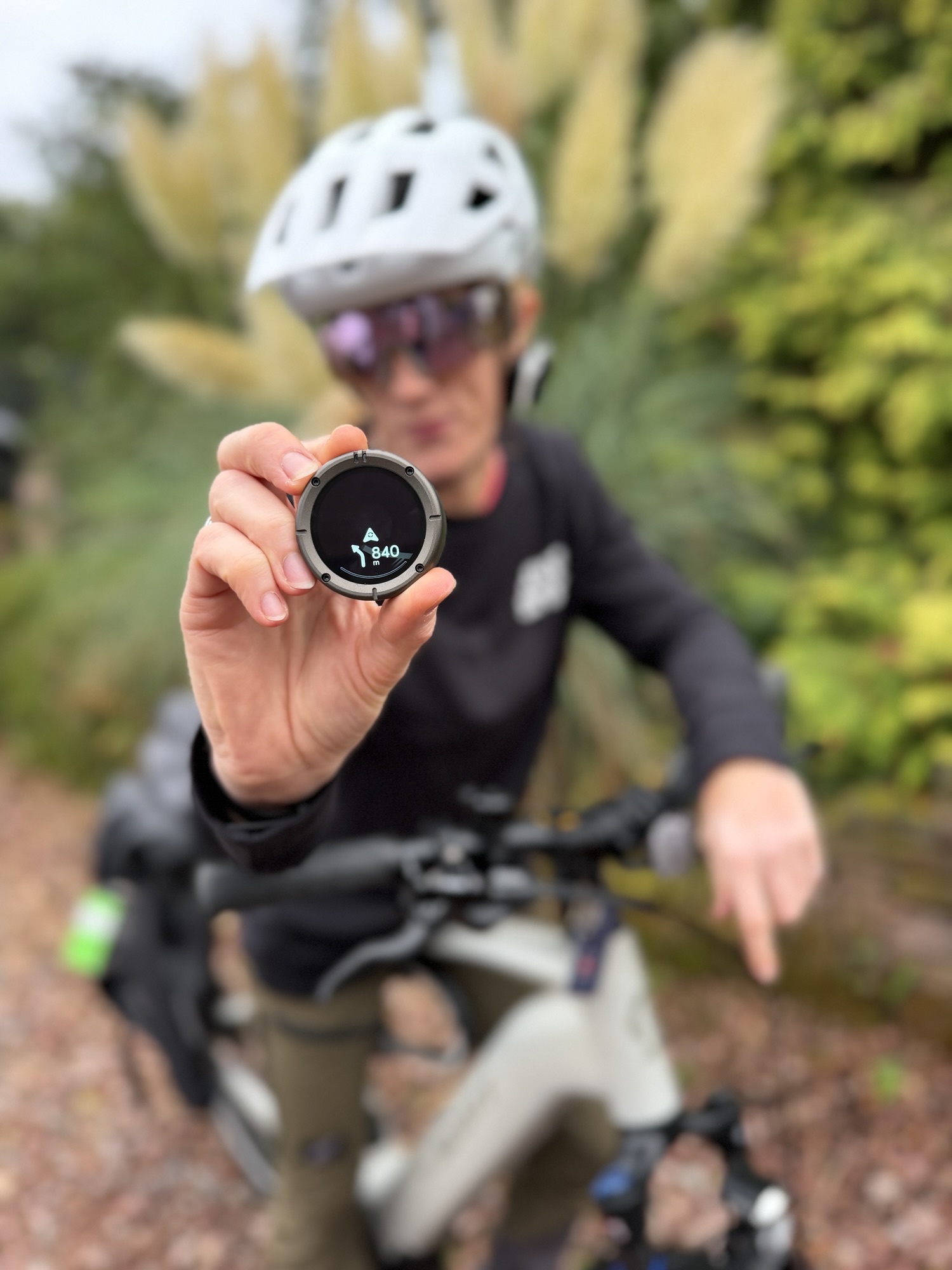
We’ll each be using a Beeline Velo 2 for navigation, GPX routes, ride tracking and elevation. I’ve used Beeline’s Moto products on my motorcycle adventures for years, so taking their cycling technology on this expedition felt like a natural fit.
And possibly my favourite feature?
Confetti when you reach the top of a climb.
With more than 21,000 metres of climbing ahead of us, I’m expecting a bloody parade.
Communication is going to matter far more on this trip than it does on a normal bike ride.
When we’re cycling on roads with trailers, Tori and I could naturally become quite spread out. We don’t want to spend 25 days shouting at each other – and there are plenty of little reasons one of us may suddenly need to stop.
Both toddlers were out of nappies at around 20 months, so “Mumma, wee wee!” could quite genuinely bring one bike to an immediate halt while the other is 100 metres further up the road.
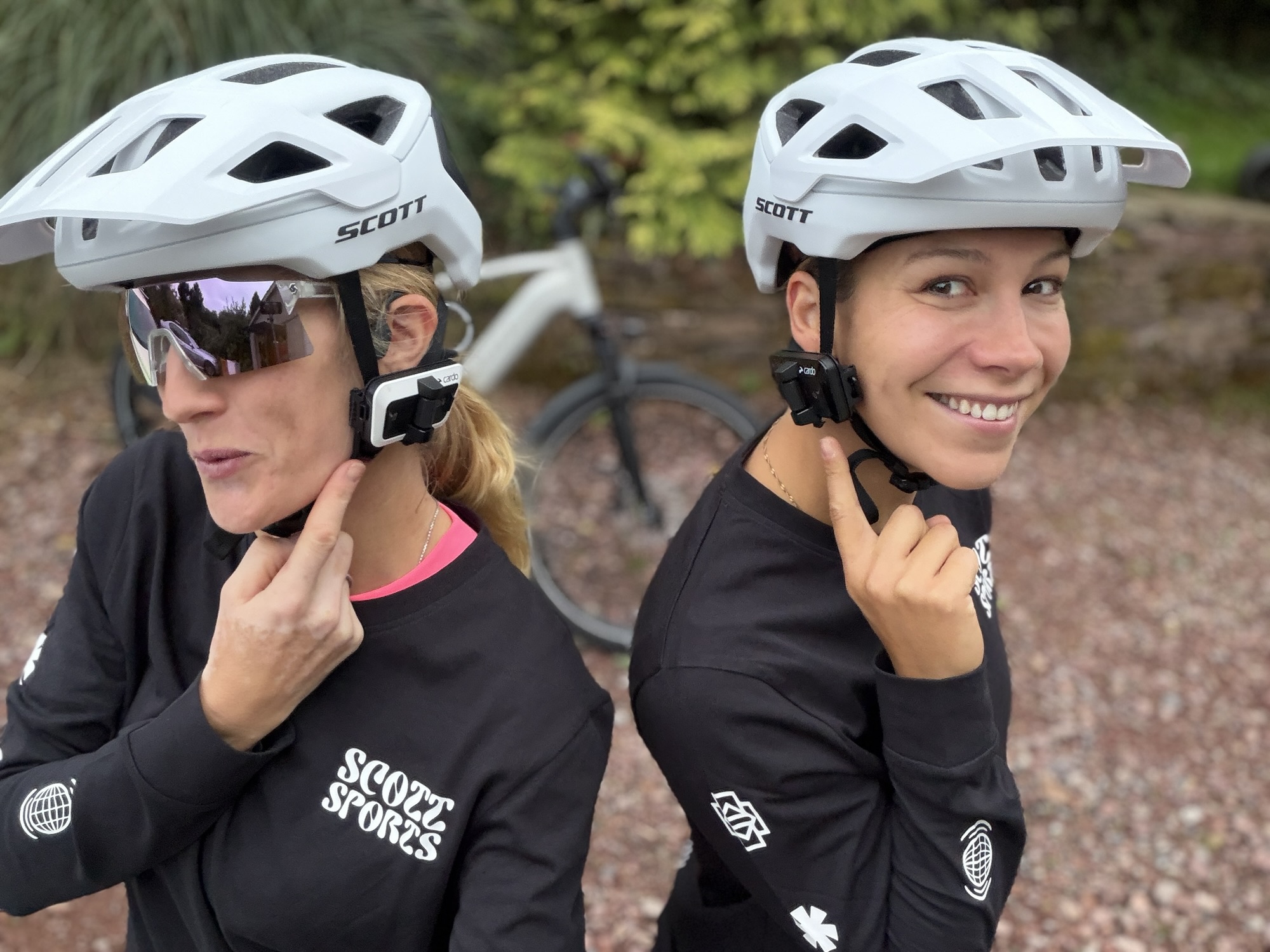
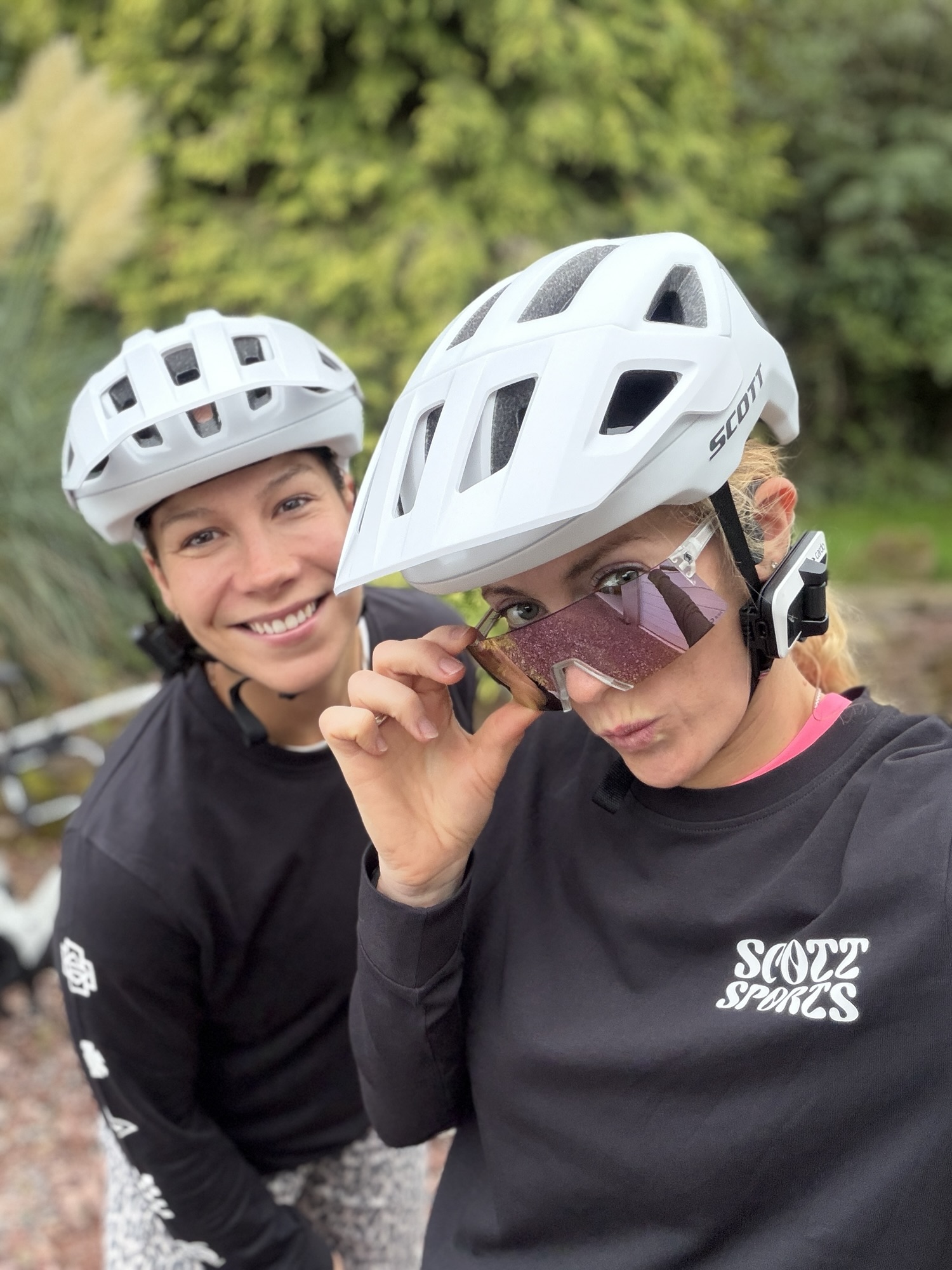
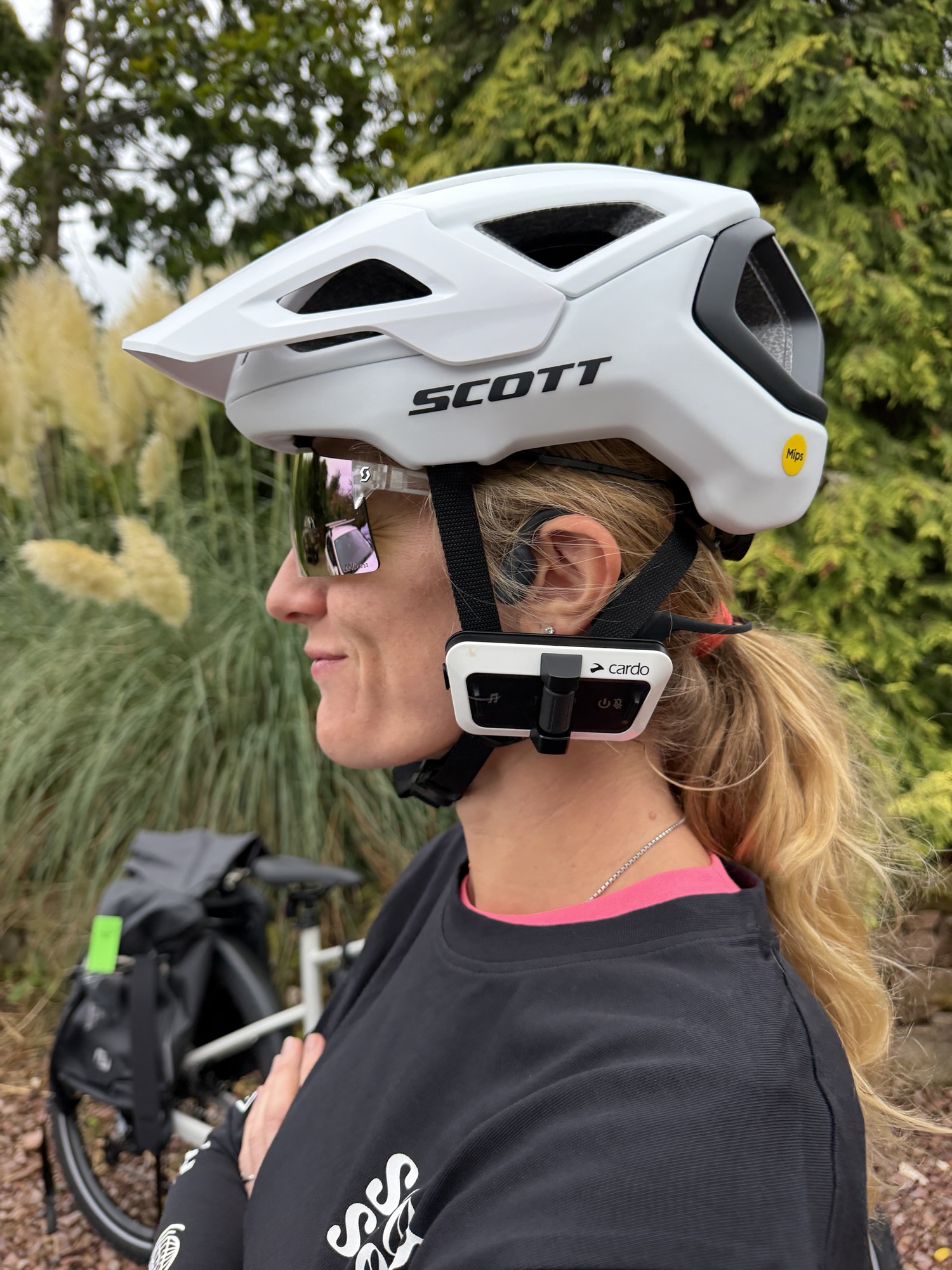
We’ll be using Cardo Outdoor intercoms to stay in constant communication while riding. It means we can warn each other about traffic or hazards, coordinate stops, tell the other when a toddler needs something and generally keep our little convoy together without having to be side-by-side.
We’ll also be able to hear directions from our Beeline navigation while using bone-conduction headphones, allowing us to remain aware of traffic, our surroundings and the children.
I’ve trusted Cardo motorcycle intercoms for well over a decade, so bringing that same technology into a completely different type of adventure makes total sense.
Four humans. Cameras. Phones. Navigation. Intercoms. Lights. Charging.
Our travelling circus requires a slightly ridiculous amount of electricity.
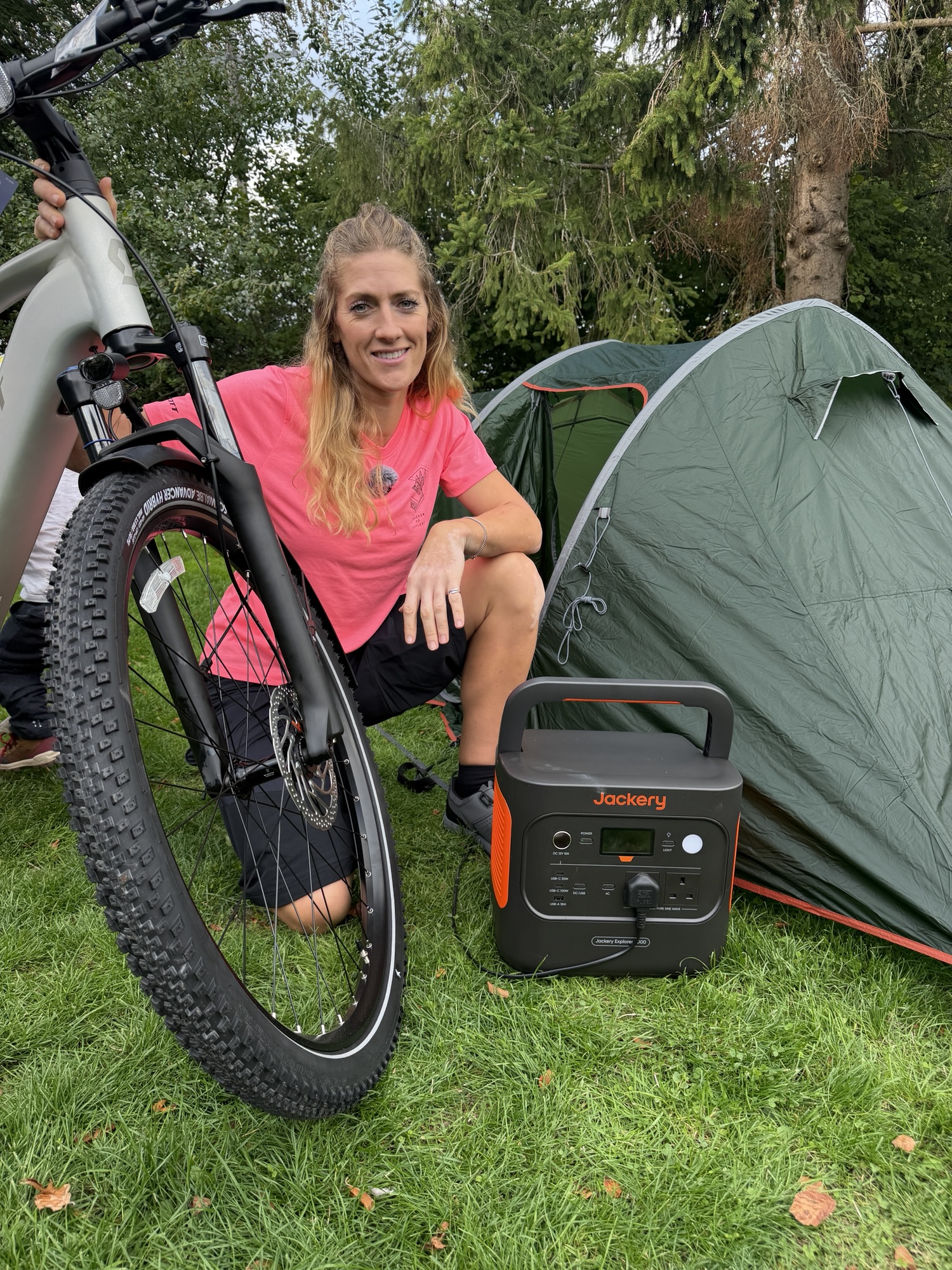
A Jackery Explorer 2000 v2 will travel in the support motorhome and become our mobile charging hub, keeping the cameras and technology needed to navigate, communicate and document this expedition alive.
Because apparently going off-grid now requires carrying half an electronics shop with you.
More than 1,000 kilometres of Turkish road and gravel means the relatively tiny patches of rubber connecting our bikes to the ground matter rather a lot.
Michelin are supporting the expedition with tyres and tubes for the bikes and trailers, helping us balance rolling efficiency on a predominantly tarmac route with the capability needed when we head onto gravel.
Hopefully the only tyre-related content you see from us is them happily going round and round.
I’ve probably just cursed us by writing that.
WHEN THERE ISN’T A BED – VANGO
We aren’t pre-booking accommodation along the route because doing so would completely remove our ability to adapt. We simply don’t know exactly how far two mums towing two toddlers across Turkey will realistically travel each day.
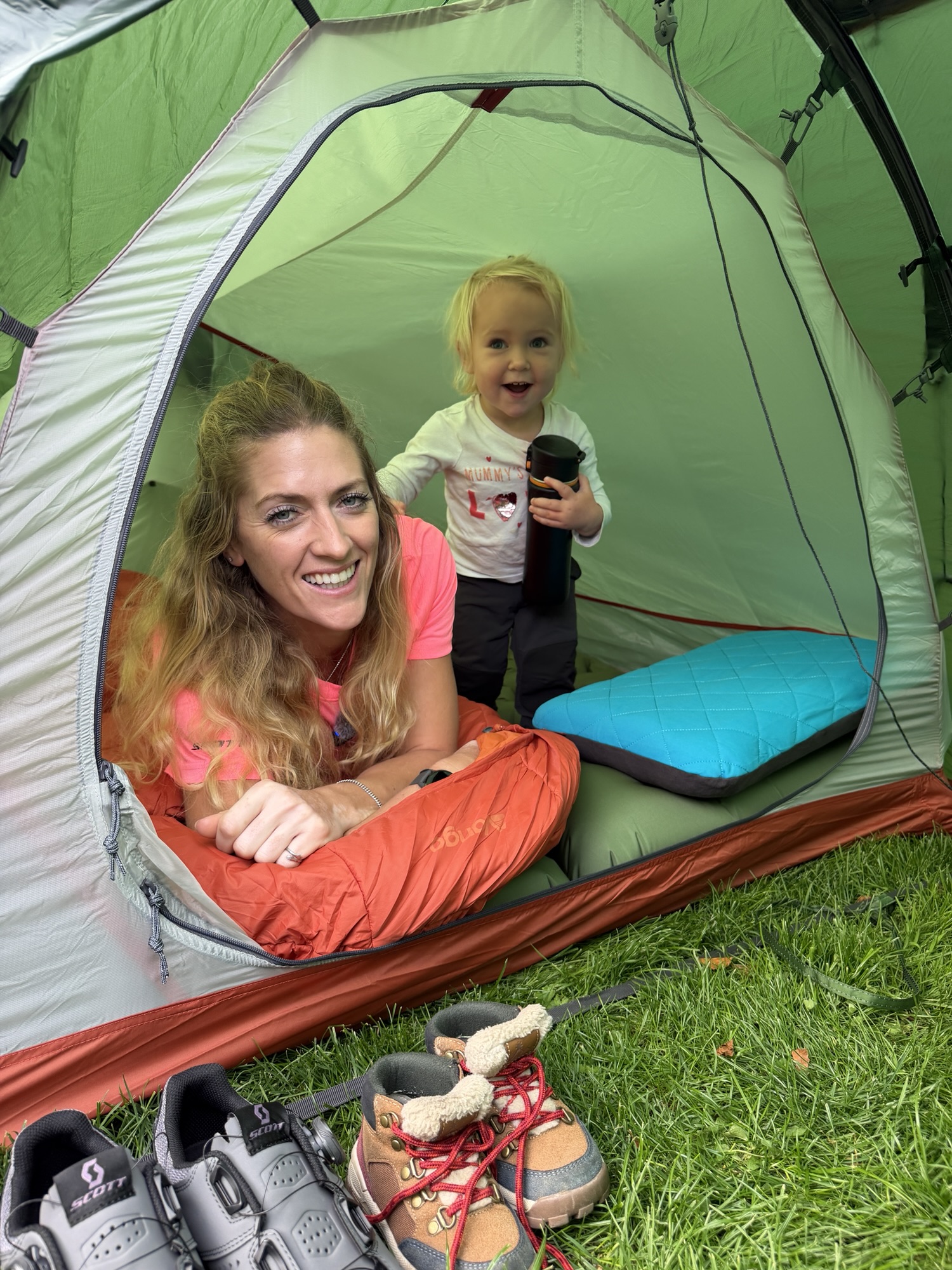
We’ll find accommodation where we can, but when there isn’t somewhere suitable – we camp.
That’s where Vango comes in. They’re supporting our camping and sleep setup with lightweight tents, sleeping bags, mats and expedition equipment, giving us the freedom to stop without needing a hotel conveniently positioned at exactly the point our legs or toddlers decide the day is over.
After towing a toddler up several thousand metres of climbing, sleep isn’t going to be a luxury.
It’s survival.
FUEL FOR THE HUMANS – GRENADE & WAYFAYRER
Keeping ourselves fuelled properly is going to be critical.
I’m still breastfeeding a 22-month-old who isn’t exactly the world’s most enthusiastic eater, while simultaneously asking my body to cycle day after day. That makes getting enough calories, protein and hydration particularly important.
Grenade are keeping us stocked with protein bars, giving us something quick and easy to reach for while riding or when we need calories without stopping the entire convoy.
Then there are the days when we’ve ridden for far longer than planned, everyone is exhausted and absolutely nobody can face cooking from scratch.
For those moments we’ve packed Wayfayrer expedition meals: proper, ready-to-go food that can turn a grim, hungry evening into something considerably happier. The All Day Breakfast is already a firm favourite, alongside [ADD SECOND FAVOURITE MEAL] – and obviously the naughty Chocolate Pudding treats have made the cut too.
Sometimes adventure nutrition is carefully calculated protein and carbohydrates.
Sometimes it’s chocolate pudding in a tent.
Balance.
STAYING ONLINE – HOLAFLY
Being connected during this expedition isn’t simply about posting on Instagram.
We’ll need mobile data for communication, navigation, weather, changing plans, finding accommodation, emergency logistics and keeping in touch with Gary and the support vehicle.
Holafly are providing eSIMs to keep us connected throughout Turkey, which also means I’ll be able to share the adventure as it actually unfolds – including, presumably, all the bits that go spectacularly off-plan.
Discount code: TheGirlOnABike – 5% off Holafly eSIMs.
LOOKING AFTER THE BODY – SINOGEL
This expedition carries an additional physical challenge for me.
I live with chronic pain following my 2014 accident and have undergone seven surgeries, including major reconstruction around my hip. Ahead of Turkey, I’m having another Sinogel injection into my hip to give my body the best possible chance of coping with 25 days on the bike.
Sinogel are supporting both my treatment and the expedition.
My body isn’t perfect, and that’s actually an important part of the story. Adventure doesn’t always require a perfect body.
Sometimes it means learning how to adventure with the one you’ve got.
EXPEDITION KIT – MOSKO MOTO
Motorcycle luggage on a bicycle expedition?
Yep.
I’ve trusted Mosko Moto equipment on my motorcycle adventures for years, and selected pieces are crossing over into Turkey to organise tools, spares and the mountain of little things we need accessible while riding.
One of the interesting parts of preparing for this expedition has been taking everything I’ve learnt from years of motorcycle travel and working out what translates when you remove the engine.
Turns out quite a lot does.
THE PEOPLE & BRANDS HELPING MAKE IT HAPPEN
An expedition like this might have two mums turning the pedals, but there’s a much bigger team helping us reach the start line.
A huge thank you to:
SCOTT – e-bikes, riding kit and equipment Hamax – child trailers Kids Ride Shotgun – front-mounted child seats Cardo Systems – rider communication Beeline – navigation Jackery – portable power Michelin – tyres and tubes Vango – camping and sleep equipment Holafly – connectivity Sinogel – treatment and expedition support Grenade – nutrition Wayfayrer – expedition meals Mosko Moto – luggage and expedition kit STRIDER – little bikes for little adventurers
And to everyone helping behind the scenes to somehow get two mums, two toddlers, two e-bikes, two trailers and an extraordinary quantity of stuff across Turkey – thank you.
DISCOUNTS & CODES
A few of the companies involved in our adventures also have discount or affiliate codes that you can use yourself.
Some of these are affiliate links, which means I may receive a small commission if you buy through them, at no additional cost to you. It helps support the free content and adventures I create, so genuinely, thank you.
BEELINE
The navigation we’ll be following across Turkey.
Support code: THEGIRLONABIKE. This is an affiliate/support code and does not currently give a money-off discount. https://beeline.avln.me/c/xcuapLUIaXdE
The communication systems we’ll be using throughout Turkey – and the brand I’ve trusted on my motorcycles for years.
Code: TGOAB – 10-25% off eligible motorcycle products, depending on the model. See the Cardo discount details and reviews for the product breakdown; this is not a confirmed offer for Cardo Outdoor.
I’ll keep this section updated with the current codes I actually use rather than filling it with random discounts for products I don’t.
FOLLOW THE ADVENTURE
The polished films will come later. While we’re actually crossing Turkey, I’ll be sharing the reality of the expedition as it unfolds – the incredible bits, the difficult bits, toddler chaos, behind-the-scenes decisions and probably more than a few moments where we wonder whose bloody idea this was.
You can follow The Girl On A Bike / @thegirlonabike across Instagram, Facebook, YouTube, TikTok and LinkedIn.
Afterwards, the full expedition will become a multi-part YouTube series, taking you properly behind the scenes of what it actually took to attempt something like this with two tiny humans in tow.
We’ve planned. We’ve trained. We’ve built Plans A, B and C.
But deliberately, we don’t know how this story ends.
There is only one question we’re trying to answer:
How far can two mums, two toddlers and two adventure bikes get across Turkey in 25 days?
As seen in The Smidsy: Road traffic accidents (RTAs) have a way of turning life upside down in an instant. For me, it was a day that started out as ordinary but ended up defining my future in ways I could never have imagined.
While the physical scars from my accident are visible, the emotional and mental journey to recovery has been equally transformative, and one I would say is far more challenging. The mental health side is the part I wish we would all talk about more!
My story began in 2014 when a car running a red light hit me while I was cycling. The accident left me with life-altering injuries, including chronic pain and a long road of seven surgeries and years of rehabilitation. While the journey was incredibly difficult, it also brought new opportunities and achievements. From discovering a passion for motorcycling—a pursuit that would become a cornerstone of my recovery—to competing in the gruelling Africa Eco Race, my life transformed in unexpected ways. These milestones remind me that even in the face of adversity, growth and resilience are possible.
Acknowledging the Challenges
In the weeks and months following my accident, I was overwhelmed by a rollercoaster of emotions: fear, anger, sadness, and even disbelief. Adjusting to my “new normal” was incredibly hard. I faced challenges that ranged from managing chronic pain and surgeries to grieving the life I once knew.
In those early days, it was easy to feel isolated, like no one truly understood what I was going through. But if there’s one thing I’ve learned, it’s that it’s okay to feel this way. Recovery—both physical and emotional—takes time, and allowing yourself space to grieve and process is part of the healing process.
Turning Pain into Purpose
As time went on, I began to shift my focus. I realised that while I couldn’t change what had happened, I could change how I responded to it. Setting small, achievable goals became a cornerstone of my journey. Whether it was completing physiotherapy exercises or simply getting out of bed on tough days, each accomplishment built my resilience.
A big turning point came when I discovered a new passion for adventure, which became a transformative part of my life after the accident. I discovered motorcycles for the first time, finding that riding them not only brought joy but also became a vital part of my mental health journey. Getting on the bike wasn’t just about reclaiming a hobby—it was about proving to myself that I could overcome fear and rebuild my confidence.
The Power of Support
I couldn’t have done this alone. My support system—my family, friends, and even the biking community—played a pivotal role in my recovery. Whether it was a listening ear, words of encouragement, or practical help, these acts of kindness reminded me that I wasn’t alone. Seeking professional help, such as counselling, also provided me with tools to process my emotions and build mental strength.
Practical Steps for Staying Hopeful
During the darkest times, I leaned on a few strategies to keep moving forward:
Mindfulness: Mindfulness is now a big part of my life. When my hip is hurting particularly badly, most of the time I can cope with it, but there are moments when I get angry and can quickly spiral down into a toxic, negative mental state. Through mindfulness, I’ve learned to be conscious of my thought processes and recognise early triggers, allowing me to take control of both my conscious and subconscious thoughts.
Focusing on Small Wins: Celebrating even the tiniest victories kept me motivated. Goal setting became an essential part of my recovery. From small achievements like putting on my own socks or making it downstairs to sit at the table for dinner, to bigger milestones like walking around the garden on crutches, every goal gave me something to focus on and work towards. These small wins built my confidence and reminded me that progress, no matter how small, is still progress.
Connecting with Others: Talking to people who had experienced similar challenges made me feel understood and inspired. I’ve also learned the importance of asking for help and being okay with vulnerability. You can’t do it alone, and it’s important to let loved ones in. Whether it’s a family member helping with daily tasks or a friend offering a listening ear, accepting support can make a world of difference. Your loved ones will want to help you—let them.
Finding Joy in the Present: Simple pleasures—like a sunny day or a good cup of coffee—reminded me of life’s beauty. Gratitude also became an essential practice. While I couldn’t have or do everything I wanted, I learned to focus on the things I still had to be grateful for. Whether it was a kind word from a loved one, the sight of flowers blooming in the garden, or even the small victory of completing a daily goal, these moments lifted my day. Actively seeking out these little joys gave me a sense of uplift and perspective, even during the hardest times.
Coping with Pain: Living with chronic pain is an ongoing battle, but I’ve developed strategies to manage it. For me, it’s about breaking the pain cycle by staying active within my limits, using mindfulness techniques to shift focus from the pain, and setting achievable goals that help me stay motivated. Accepting that some days will be harder than others has also been key, as has learning to ask for help when needed.
A Message of Hope
If you’ve recently been involved in an RTA, I want you to know this:
Recovery
When people say ‘recovery’, you typically think of returning to how you were before the accident. But there is no going back. You do not merely recover; you reinvent yourself. You learn so much as you fight through; it’s an irreversible journey. While my journey over the past years has been brutal, I feel somehow lucky. I have friends now I would never have met, I have discovered a passion for motorcycling that I would never have explored, I have realised the importance of a work-life balance, I’ve become even closer to my husband and soulmate, and I have a fire in my soul only this type of recovery could light.
You’re not alone, and things can get better. The road to recovery may be long and winding, but each step forward is a testament to your strength. Allow yourself to grieve, reach out for support, and take one day at a time.
Your journey won’t look exactly like mine, and that’s okay. What matters is that you keep moving forward—even if some days, that simply means holding on. Remember, you are more resilient than you think. But every day, do something towards that irreversible journey to a new you.
If you’re new to my page – it’s more than just dirt bike riding, Harleys and racing, I’m on a mission to prove that nothing is impossible if you want it bad enough. See more about my story plus read about my life-changing accident, which started it all.